

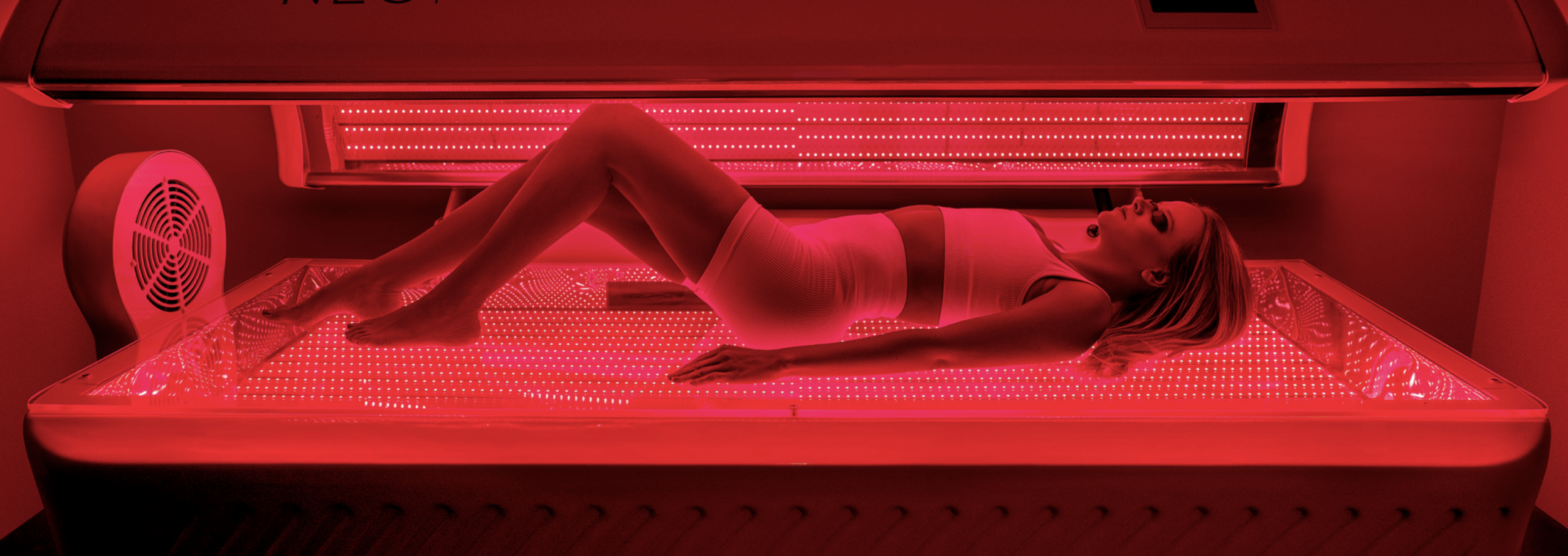
Key Benefits of Red Light Therapy in Fresno

Red Light Therapy for Pain Relief
How inflammation drives chronic pain
Chronic pain is often driven by ongoing inflammation within muscles, joints, and connective tissue. When inflammation persists, it can interfere with normal tissue repair and amplify pain signals in the nervous system. Over time, this creates a cycle where the body struggles to fully recover.
How red + near-infrared light reduces inflammatory markers
Red and near-infrared light therapy is being studied for its ability to influence cellular inflammation pathways. By interacting with mitochondria, it may help regulate oxidative stress and reduce inflammatory signaling at the tissue level, supporting a healthier recovery environment.
Joint, back, neck, and soft tissue pain support
Many clients use light therapy to support discomfort in common problem areas such as the lower back, shoulders, knees, and neck. These areas often experience repetitive strain, and improved circulation and cellular activity may support natural recovery processes.
What sessions feel like
Sessions are non-invasive and relaxing. Most clients simply lie back under the light and experience a gentle warmth while the treatment runs. There is no downtime, and many people describe it as restorative.
Typical treatment frequency
Results are generally tied to consistency. Many clients begin with multiple sessions per week and then transition into maintenance visits as they notice improvements in comfort and mobility.

Red Light Therapy for Weight Loss Support
How light therapy interacts with cellular metabolism
Red light therapy interacts with mitochondria, the energy centers of cells, which play a key role in metabolic activity. When cellular energy output improves, it may support the body’s natural ability to process and utilize stored energy.
Fat cell “release” support (lipolysis framing carefully)
Some studies suggest that specific wavelengths of light may temporarily affect fat cell membranes, allowing stored lipids to be released and processed by the body. This process is not a replacement for diet or exercise, but may complement a healthy lifestyle.
Why it works best combined with lifestyle changes
Light therapy is most effective when paired with consistent movement, balanced nutrition, and hydration. It is designed to support your body’s natural systems, not override them.
Areas commonly treated
Common treatment areas include the abdomen, thighs, hips, and arms—areas where stubborn fat and fluid retention often accumulate. These regions are typically targeted in structured wellness programs.
Expected timeline
Most clients begin noticing changes within several weeks of consistent use. Visible results depend on individual metabolism, lifestyle habits, and frequency of sessions.
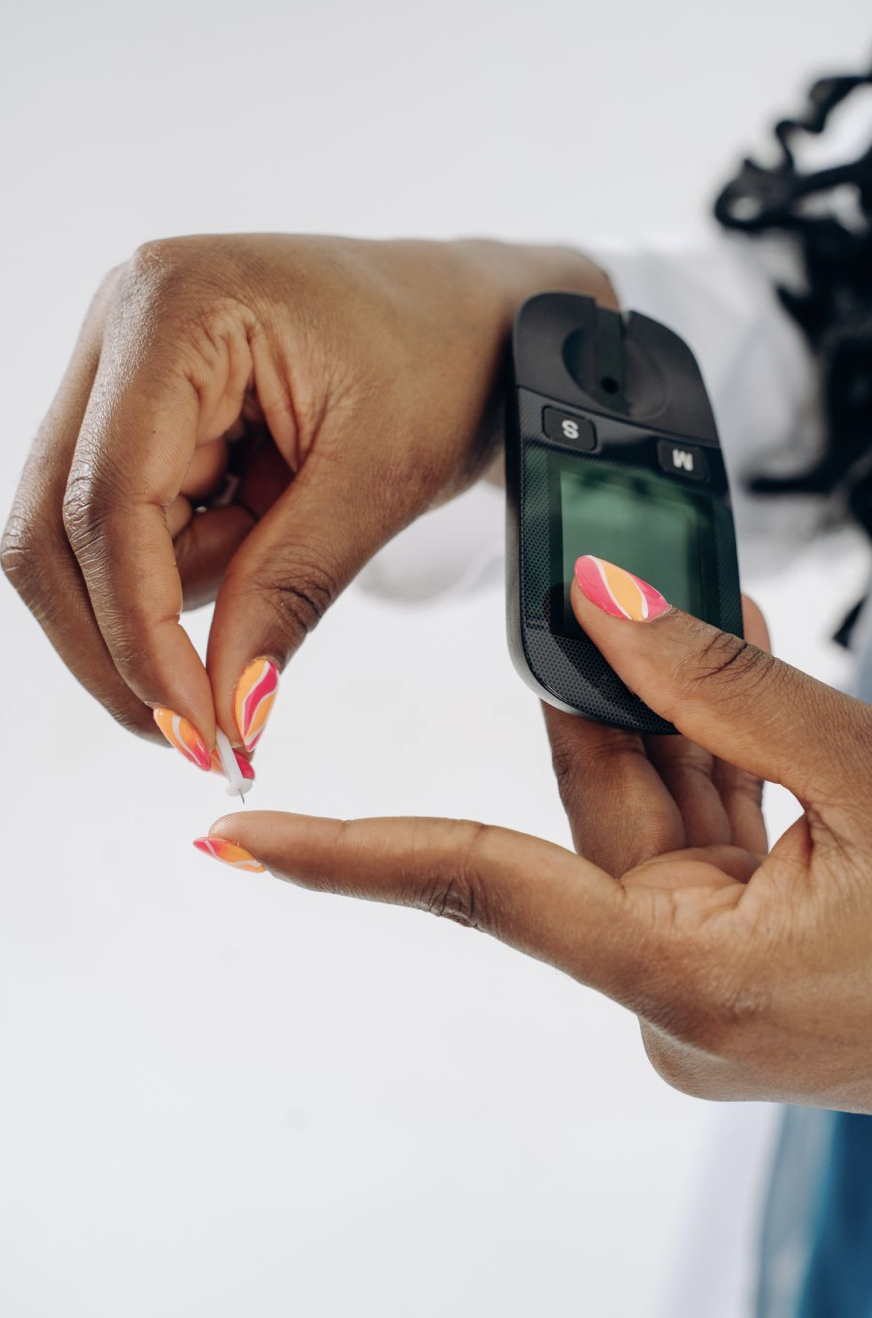
Blood Sugar & Metabolic Support
Mitochondrial function and glucose metabolism
Mitochondria play a central role in how the body processes glucose for energy. Red light therapy is being studied for its potential to support mitochondrial efficiency, which may indirectly influence metabolic function.
Inflammation and insulin sensitivity overview
Chronic inflammation is closely linked to reduced insulin sensitivity. By supporting a healthier inflammatory response, light therapy may contribute to improved metabolic balance over time.
Lifestyle synergy
Metabolic health is strongly influenced by daily habits such as sleep quality, diet, and physical activity. Red light therapy is positioned as a supportive tool that complements these foundational behaviors.
What research is exploring
Early research is examining how photobiomodulation may impact metabolic markers, energy regulation, and inflammation. While findings are promising, this remains an emerging area of study.
Who this is for
This service is often used by individuals focused on metabolic wellness, including those looking to support healthy glucose function or maintain long-term energy balance.
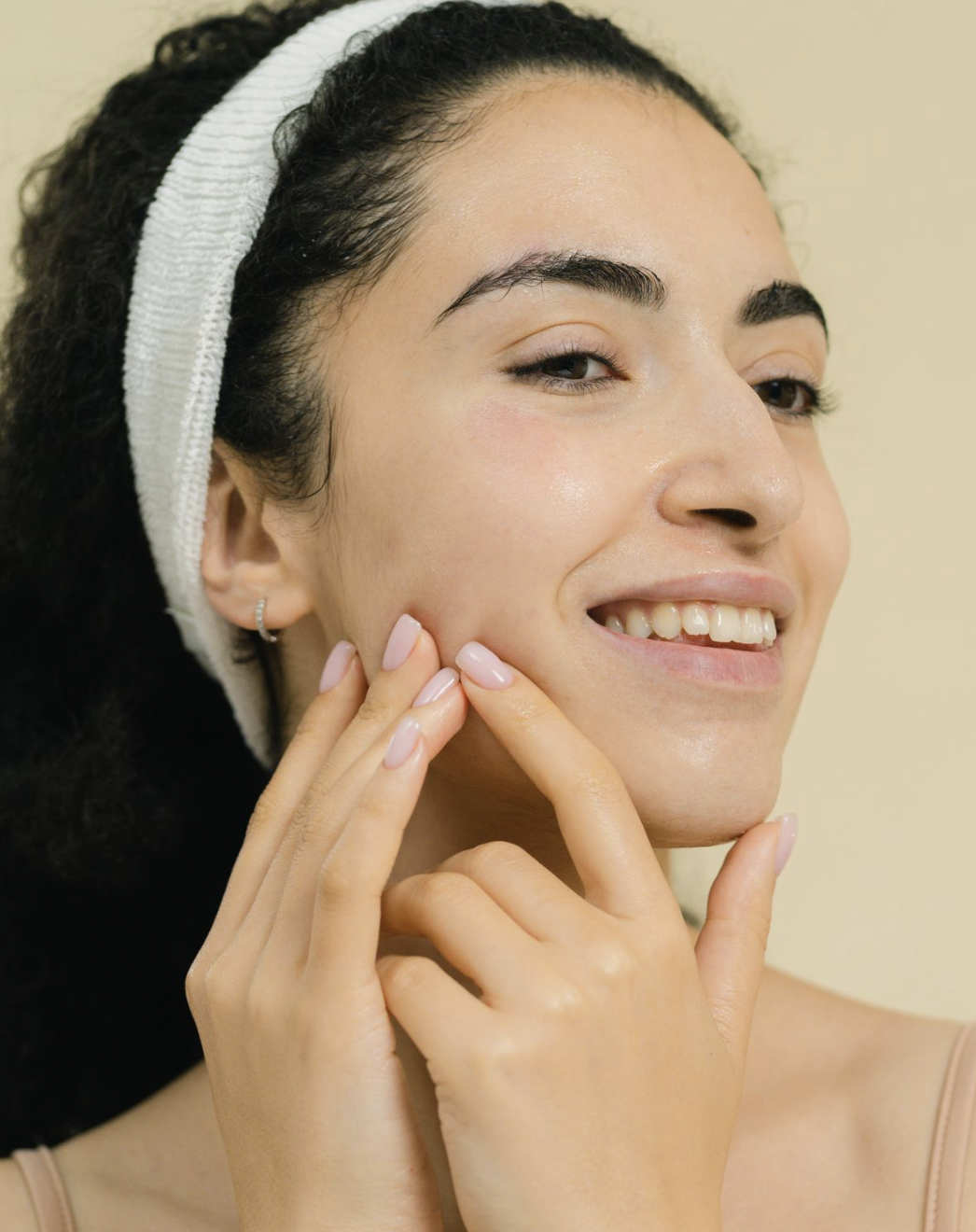
Skin Rejuvenation
Collagen production stimulation
Collagen is a key structural protein responsible for skin firmness and elasticity. Red light wavelengths may stimulate fibroblast activity, which is involved in collagen production and skin repair processes.
Fine lines, elasticity, and skin tone
With consistent use, light therapy may support smoother skin texture and improved tone by enhancing cellular turnover and supporting tissue regeneration.
Acne inflammation support
Red light may help calm inflammation associated with acne breakouts, reducing redness and supporting a more balanced skin environment over time.
Face vs full-body protocols
Treatments can be tailored depending on goals, whether focusing on facial rejuvenation or full-body skin health. Both approaches aim to support overall cellular repair.
Before/after timeline expectations
Skin improvements typically develop gradually over several weeks. Consistency is important, as collagen remodeling is a slow biological process.

Athletes & Recovery
Muscle repair and microtrauma recovery
Exercise creates microscopic muscle damage that must be repaired for strength and growth. Red light therapy may support this recovery process by enhancing cellular energy and circulation.
DOMS reduction
Delayed onset muscle soreness (DOMS) is a common response after intense exercise. Many athletes use light therapy to help manage soreness and improve comfort between training sessions.
Performance recovery cycles
Faster recovery can allow for more consistent training cycles. Light therapy is often incorporated into routines to help athletes maintain performance output with less downtime.
Pre vs post workout use cases
Some athletes use sessions before training to prepare tissues, while others prefer post-workout sessions to support recovery. Both approaches are used depending on training style.
Athlete testimonials
Real-world feedback from athletes is one of the strongest indicators of effectiveness. Many report improved recovery time, reduced stiffness, and better overall training consistency.
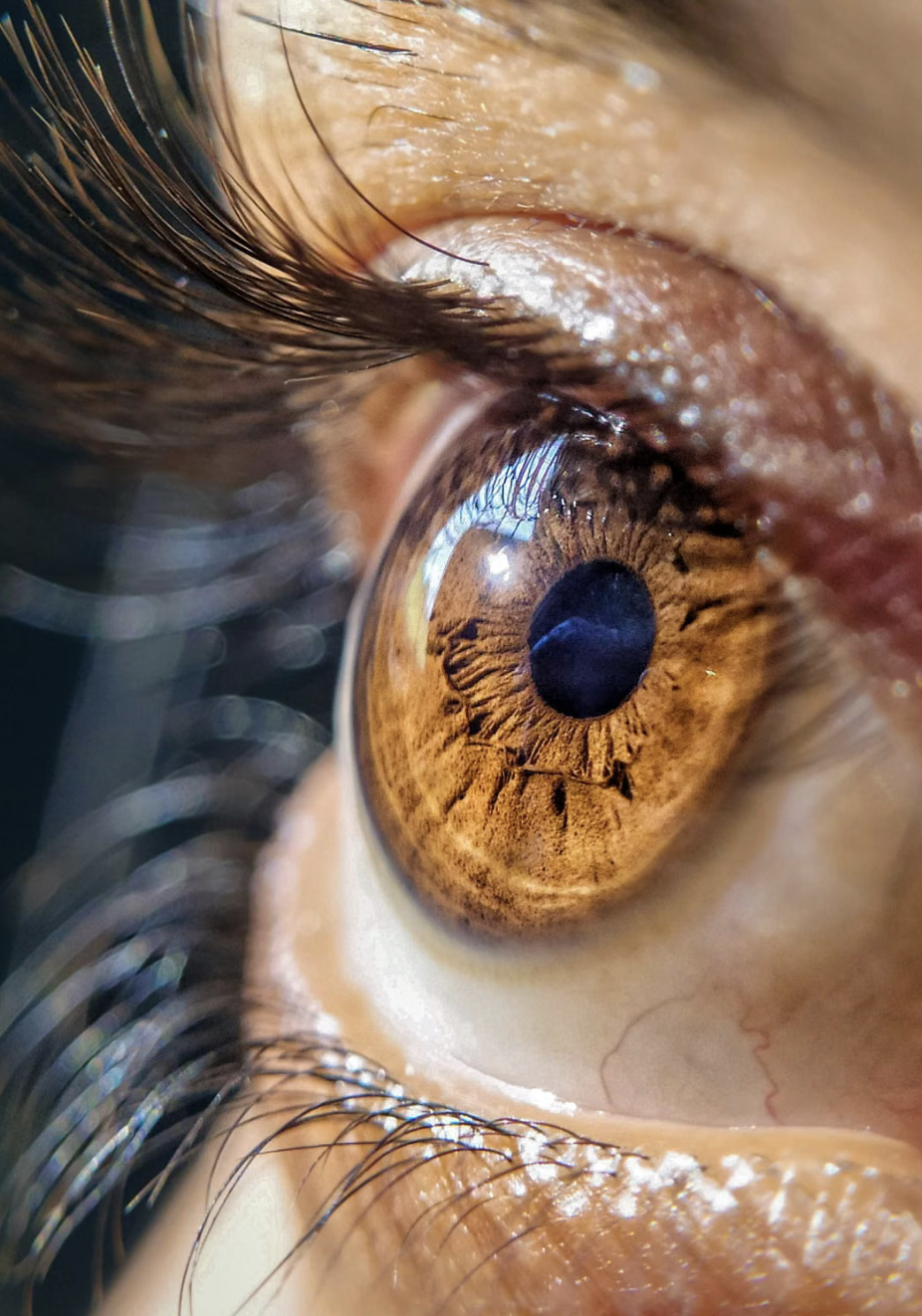
Eye Health & Vision Support
Digital eye strain from screens
Extended screen use places continuous demand on the visual system, often leading to fatigue, dryness, and strain. This is increasingly common in modern work environments.
Mitochondrial density in retinal cells
The retina contains a high concentration of mitochondria due to its constant energy demand. Light-based therapies are being studied for their potential role in supporting mitochondrial efficiency in these cells.
Near-infrared support research overview
Emerging research is exploring how near-infrared wavelengths may support retinal health and visual performance. While still developing, findings suggest potential cellular-level benefits.
Dry eye + fatigue relief framing
Many users report reduced eye fatigue and improved comfort after sessions. This is often attributed to improved circulation and reduced strain on ocular tissues.
Safety and eye protection explanation
Sessions are designed with safety in mind, and direct eye exposure protocols are carefully controlled. Protective guidance is provided to ensure a safe and comfortable experience.

Inflammation Support
What chronic inflammation is
Chronic inflammation occurs when the immune system remains activated beyond its normal healing phase. This can contribute to fatigue, pain, and slowed recovery.
Systemic vs localized inflammation
Inflammation can be localized in specific tissues or systemic throughout the body. Both types can impact energy levels, mobility, and overall wellness.
Red light’s effect on cytokines
Photobiomodulation is being studied for its influence on cytokines, which are signaling molecules involved in inflammation regulation. This may help the body maintain a more balanced inflammatory response.
Conditions tied to inflammation
Many common wellness concerns—including joint pain, stiffness, and muscle fatigue—are associated with inflammation. Supporting this system may improve overall comfort and function.
Why consistency matters
Inflammation is not corrected in a single session. Regular exposure is typically required to support meaningful physiological change.

Neuropathy Support
What neuropathy is
Neuropathy refers to nerve damage that can result in symptoms such as tingling, numbness, or burning sensations. It is often associated with metabolic or injury-related conditions.
Nerve signaling and circulation support
Healthy nerve function depends on proper blood flow and cellular communication. Light therapy may support these processes by improving microcirculation and cellular energy availability.
Symptom relief framing
Some clients report improved comfort and reduced tingling sensations over time. These changes are typically gradual and vary by individual.
Treatment frequency expectations
Neuropathy support often requires consistent sessions over an extended period. Results depend on severity, duration, and overall health status.
Combination with medical care
Light therapy is used as a complementary wellness approach and is not a replacement for medical treatment or diagnosis.
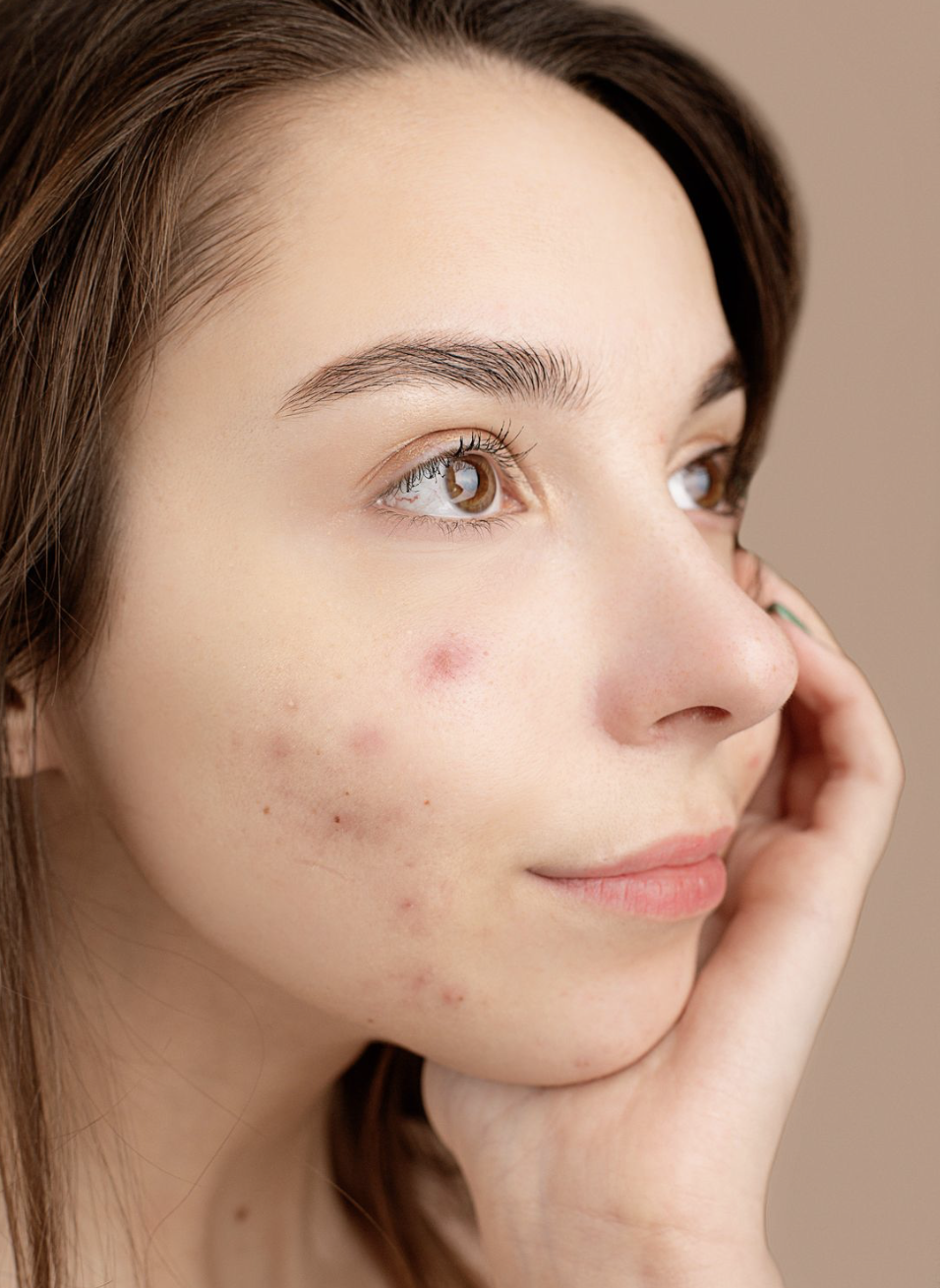
Blue Light Therapy for Acne
Acne bacteria targeting
Blue light wavelengths are studied for their ability to interact with acne-causing bacteria on the skin surface. This may help reduce bacterial load contributing to breakouts.
Oil gland activity explanation
Acne is often linked to excess oil production and clogged pores. Light-based therapy may help support a more balanced skin environment.
Skin clearing timeline
Improvements typically occur gradually over several weeks as skin cycles through natural renewal phases.
Combination red + blue protocols
Many protocols combine blue light for surface-level acne support with red light to reduce inflammation and promote healing.
Who it’s best for
This approach is commonly used by individuals dealing with mild to moderate acne or recurring breakouts.

Green Light Therapy for Migraines & Headaches
Neurological calming effects
Green light exposure is being studied for its potential to reduce sensory overstimulation, which is often a trigger for migraines and headaches.
Light sensitivity and migraine connection
Many individuals with migraines experience heightened sensitivity to light. Controlled exposure environments may help reduce this sensory load.
Relaxation response
Green light environments may promote a calming effect on the nervous system, supporting relaxation and reduced tension.
Session experience
Sessions are quiet, low-stimulation, and designed to minimize sensory input. This creates a more comfortable environment for individuals sensitive to light or sound.
Trigger management framing
This therapy is best viewed as part of a broader wellness strategy for managing triggers, rather than a standalone treatment.
What Sets Beam Light Lounge Apart
Full-Body, Multi-Wavelength Light Therapy Systems
We don’t rely on single-spectrum devices or localized treatment panels. Our systems deliver multiple clinically studied wavelengths in a full-body format to support whole-system recovery in one session. This allows you to target multiple wellness goals—energy, recovery, skin, and inflammation—simultaneously.
Relaxed Lounge Experience, Not a Clinical Setting
Beam Light Lounge is designed to feel like a wellness retreat, not a medical office. Sessions are private, comfortable, and structured so you can fully relax while the therapy works in the background. The environment is intentionally built to reduce stress, which is a key factor in recovery and cellular health.
Consistency-Driven Wellness Programs That Actually Scale Results
We focus on structured programs, not one-off visits, because biological change requires repetition. Clients are guided through consistent session plans designed to build momentum and measurable improvement over time. This approach turns light therapy into a long-term performance and recovery system rather than a casual treatment.